Robots Are Reaching Human Scale
In the robotics areas, humanoid machines no longer felt like isolated experiments. They stood alongside consumer electronics, took part in demonstrations and gradually became a familiar part of the exhibition space.
One of the first robots to catch the eye was the AGIBOT A3. Standing 173 centimetres tall and weighing approximately 55 kilograms, it perceives its surroundings through cameras and other sensors, supports multimodal interaction and can continue operating after a rapid battery swap.
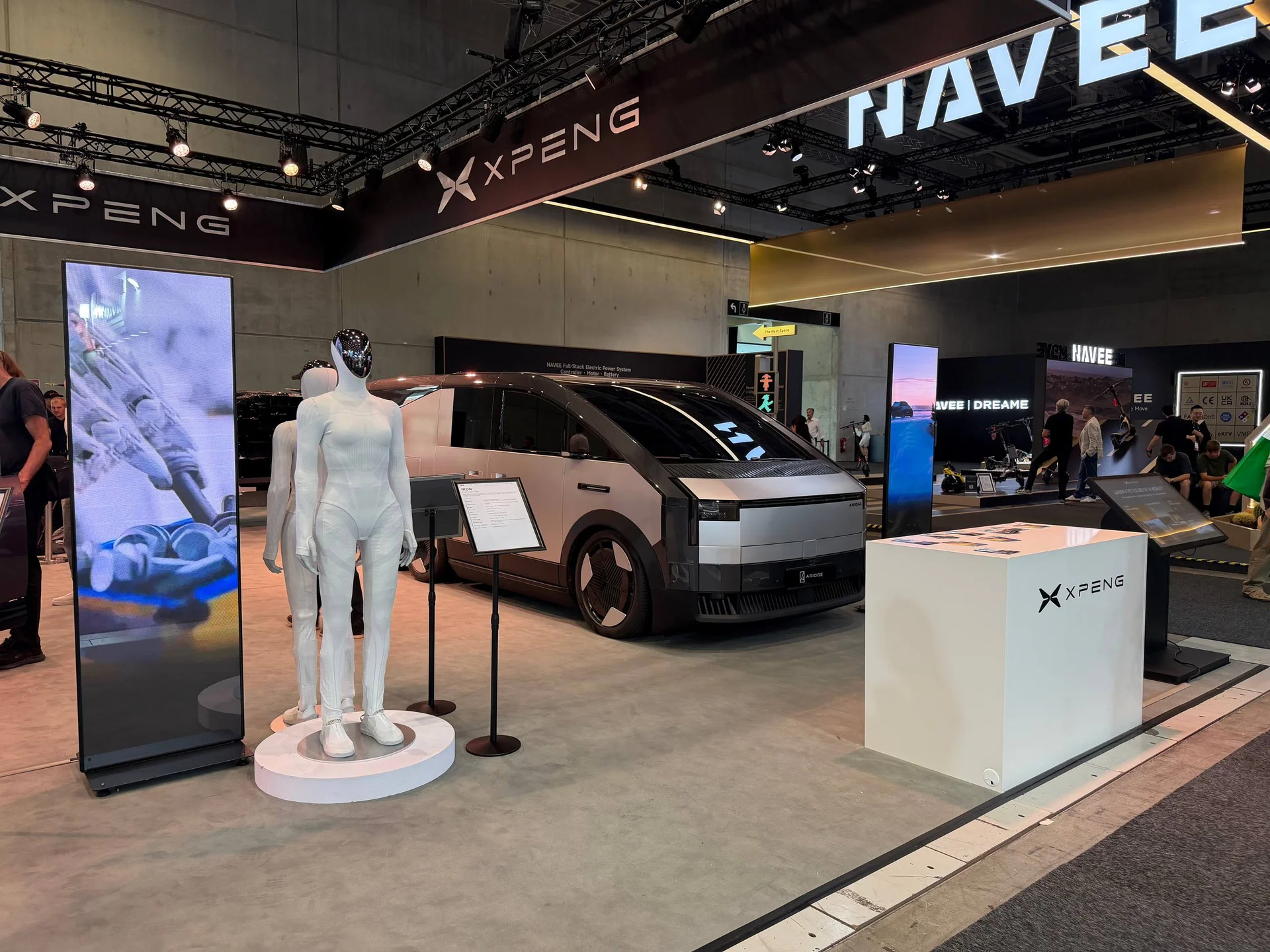
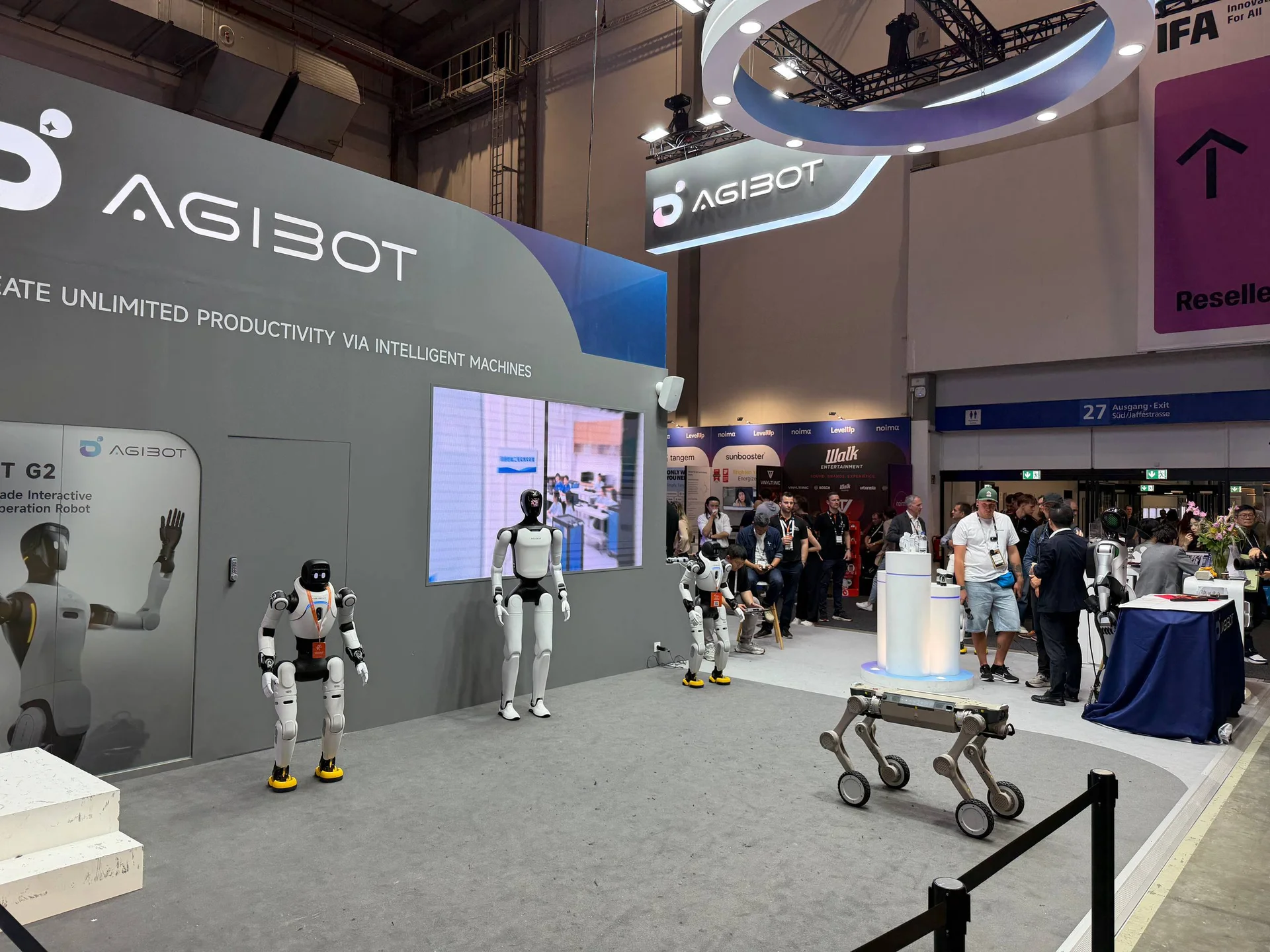
On 8 September, the final day of IFA, XPENG announced that its humanoid robot production line had entered operation. The first IRON had already walked off the line on its own. This does not yet represent full-scale mass production, which the company plans to reach by the end of 2026. Initial commercial deployments are expected in XPENG stores and campuses, followed by a market launch and deliveries in China and overseas in 2027.
Elsewhere in the halls, we encountered Unitree robots, machines designed for indoor service tasks and wearable exoskeletons. The latter were presented as devices that could reduce physical strain during walking and prolonged periods of standing.
Between a Car and a Personal Aircraft
The transport section of IFA followed the robotics displays. Production EVs, gaming concepts and electric aircraft capable of vertical take-off stood side by side, providing an almost perfect illustration of how quickly the definition of personal transport is expanding.
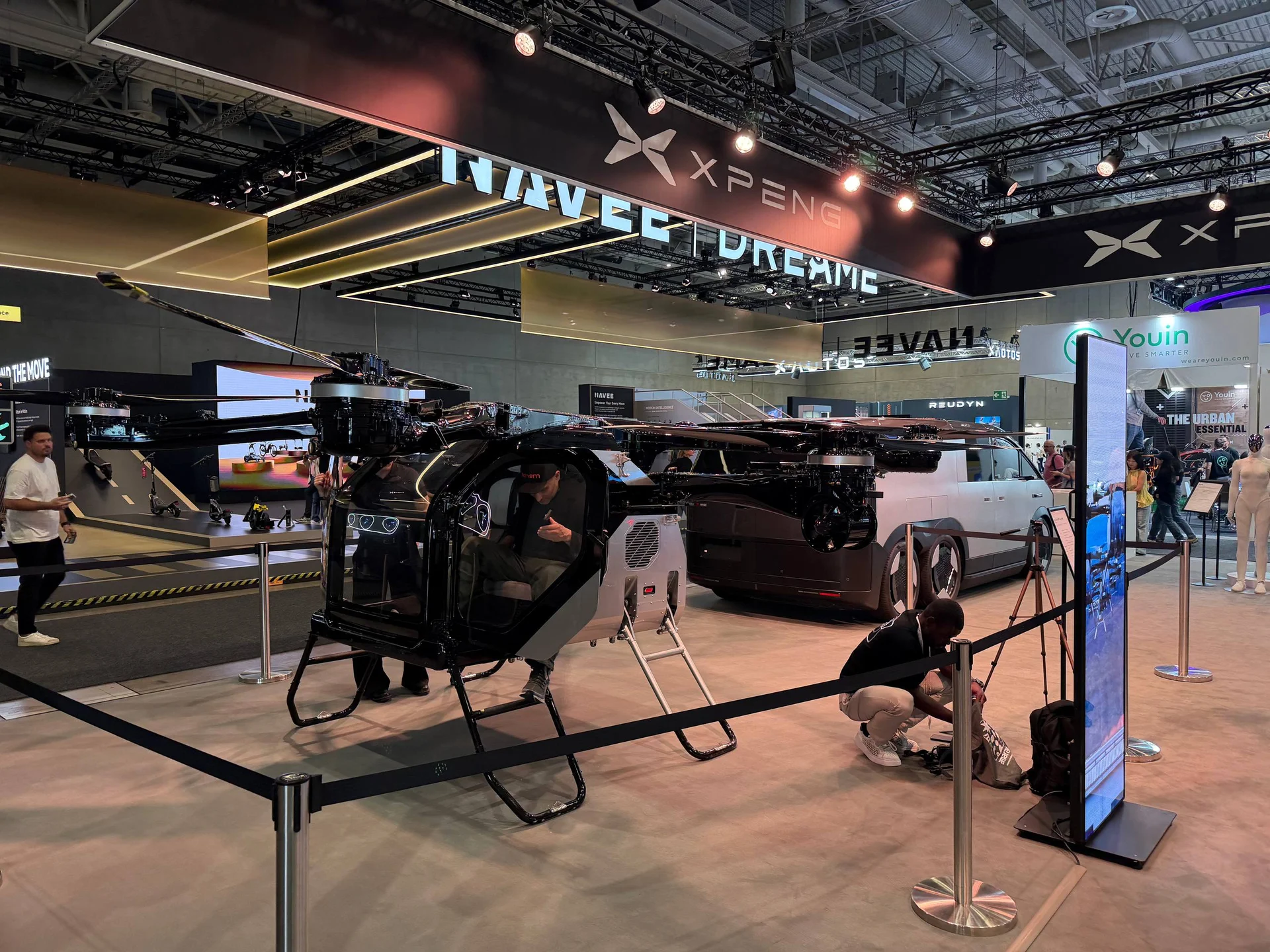
At the stand of ARIDGE, a company affiliated with XPENG, visitors could see the Land Aircraft Carrier. It is a six-wheeled road vehicle that carries a two-seat electric eVTOL.
The Land Aircraft Carrier was perhaps the most surreal exhibit at the show: a large road vehicle really did contain a small aircraft of its own. Once the vehicle stops, the aerial module separates from the main platform and can operate independently. Inside the exhibition hall, the concept no longer felt like a computer rendering but like a real engineering project.
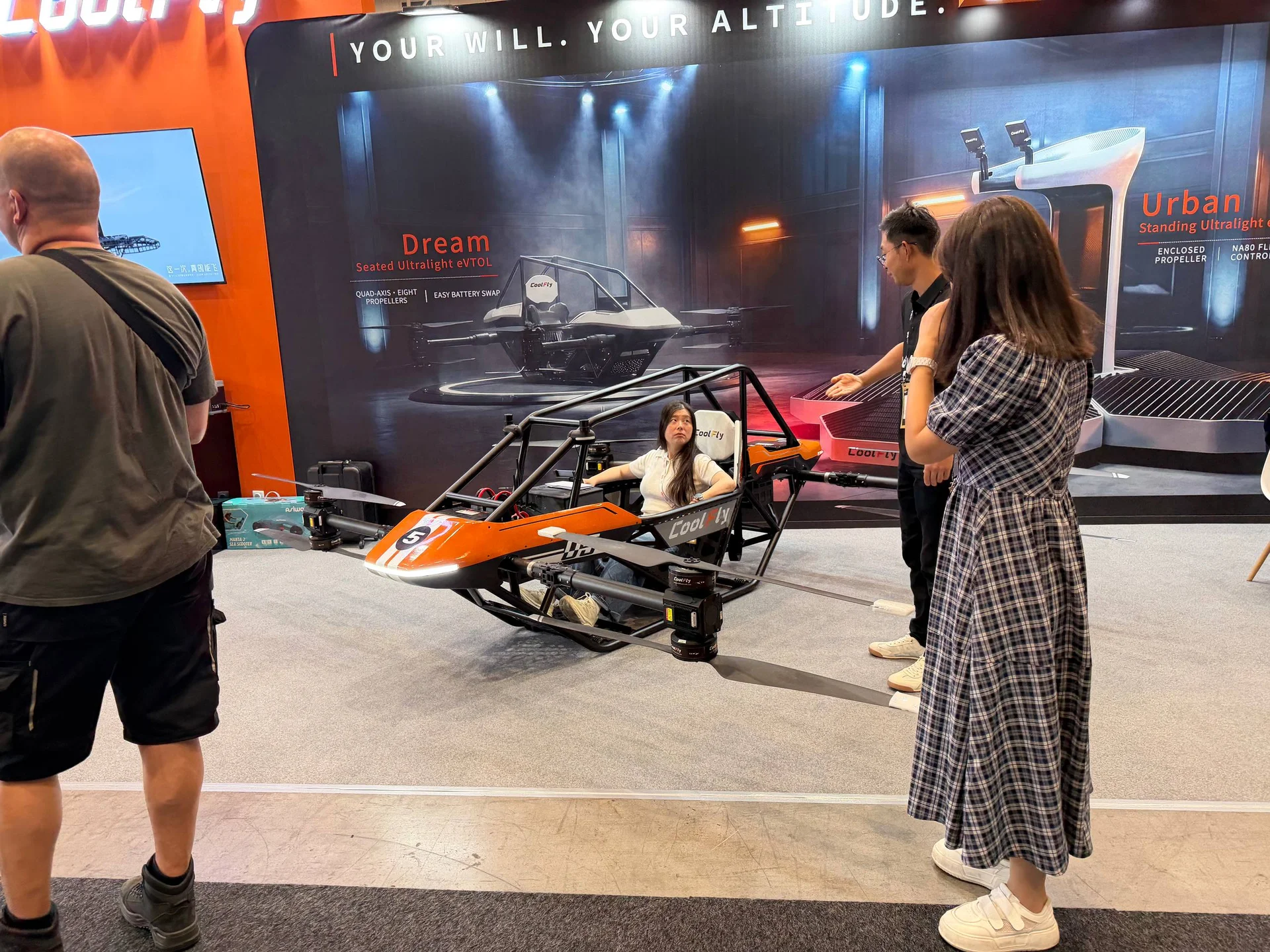
Nearby, CoolFly displayed its compact Dream ST aircraft. It was the only CoolFly aircraft physically exhibited at IFA, while Dream Pro and Dream Urban belong to the company’s broader product portfolio.
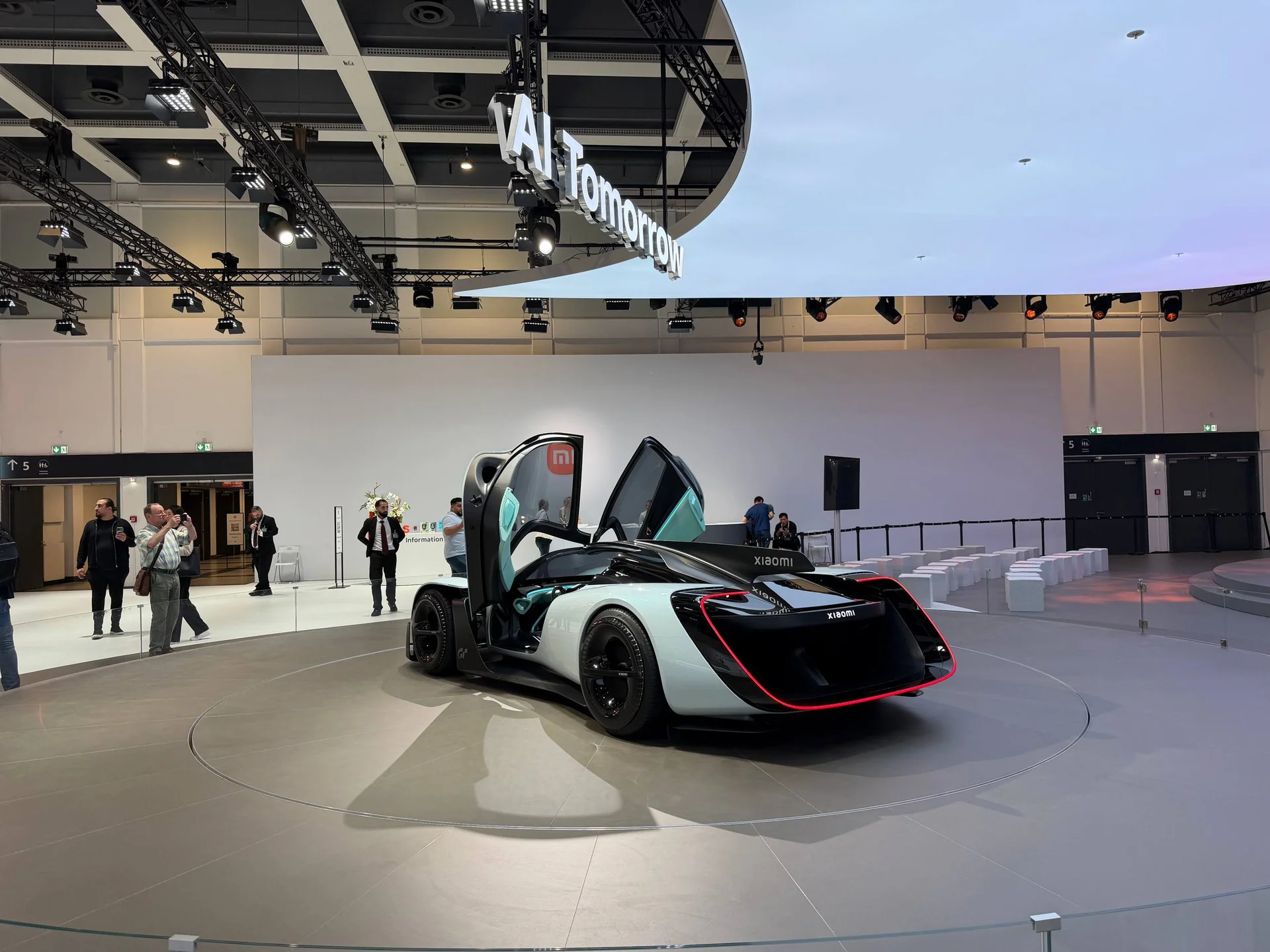
Xiaomi presented a different interpretation of future mobility. Alongside the production YU7 electric vehicle stood a full-scale model of Xiaomi Vision Gran Turismo, a digital hypercar developed for the Gran Turismo project. It is not a future production car but a design concept connecting the automotive and gaming industries.
The vehicles occupied only part of Xiaomi’s extensive exhibition area. The company brought more than 380 products to IFA, including devices from its wider ecosystem and Mijia appliances, which made their major European debut at the show. According to dpa, Xiaomi intends to begin selling electric vehicles in Europe in 2027, although a detailed timetable for individual markets has not yet been disclosed.
Significantly closer to entering the European market is the Volkswagen ID. Cross. Advance sales of the electric crossover have already begun in Germany. The future entry-level version is expected to cost €27,995, while the configurations available at launch are more expensive. Its maximum range is up to 427 kilometres under the WLTP standard.
LG and a Smart Home That Understands Context
After the large transport displays, LG’s exhibition space felt calmer. Yet this was where the idea of autonomous technology came closest to everyday life. Individual devices did not compete for attention but worked together as part of a single smart-home scenario.
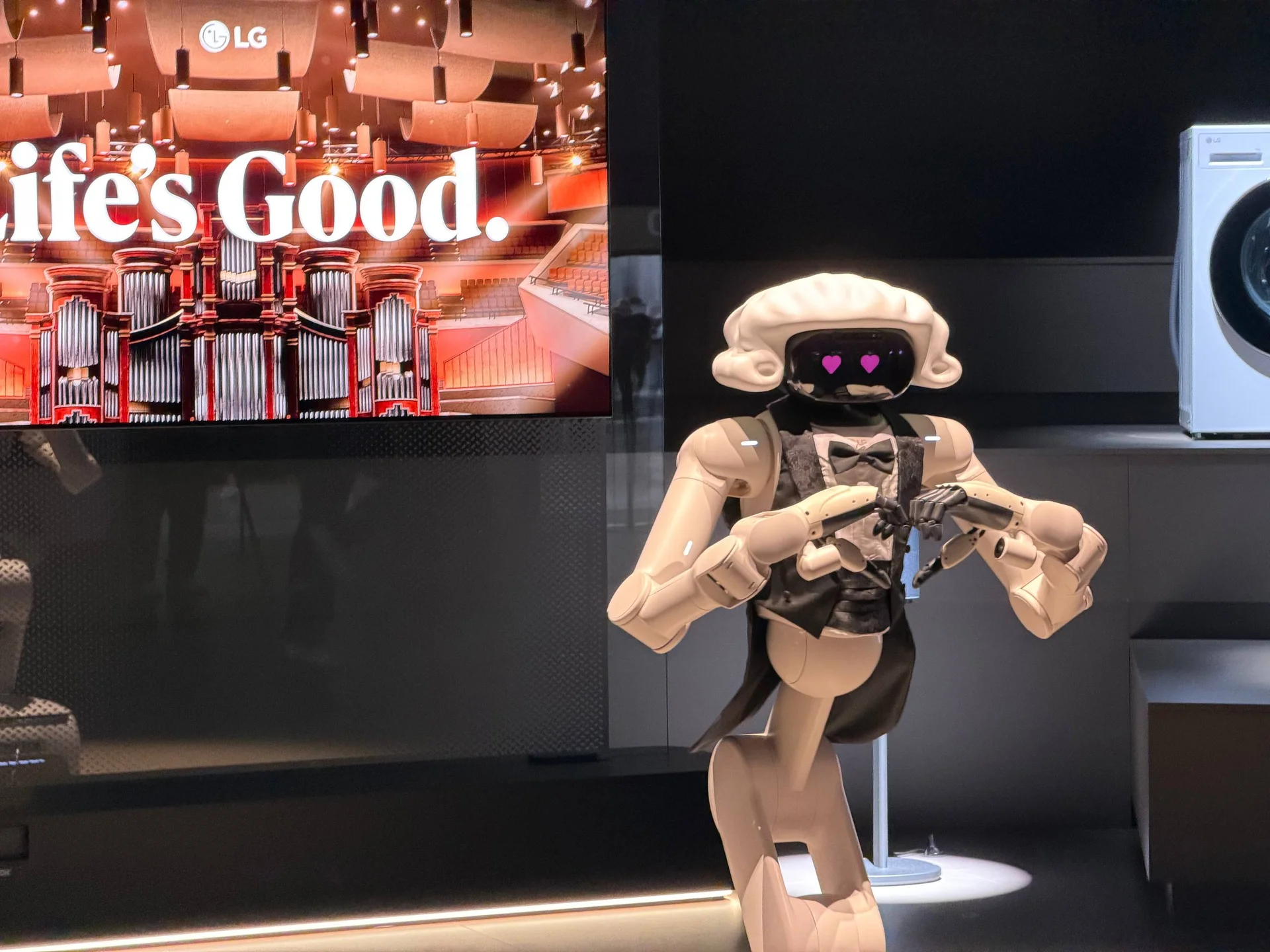
The centrepiece was the AI Orchestra installation, which brought together displays, home appliances and the CLOiD robot. LG positions CLOiD as a future household assistant capable of moving between rooms and interacting with connected devices.
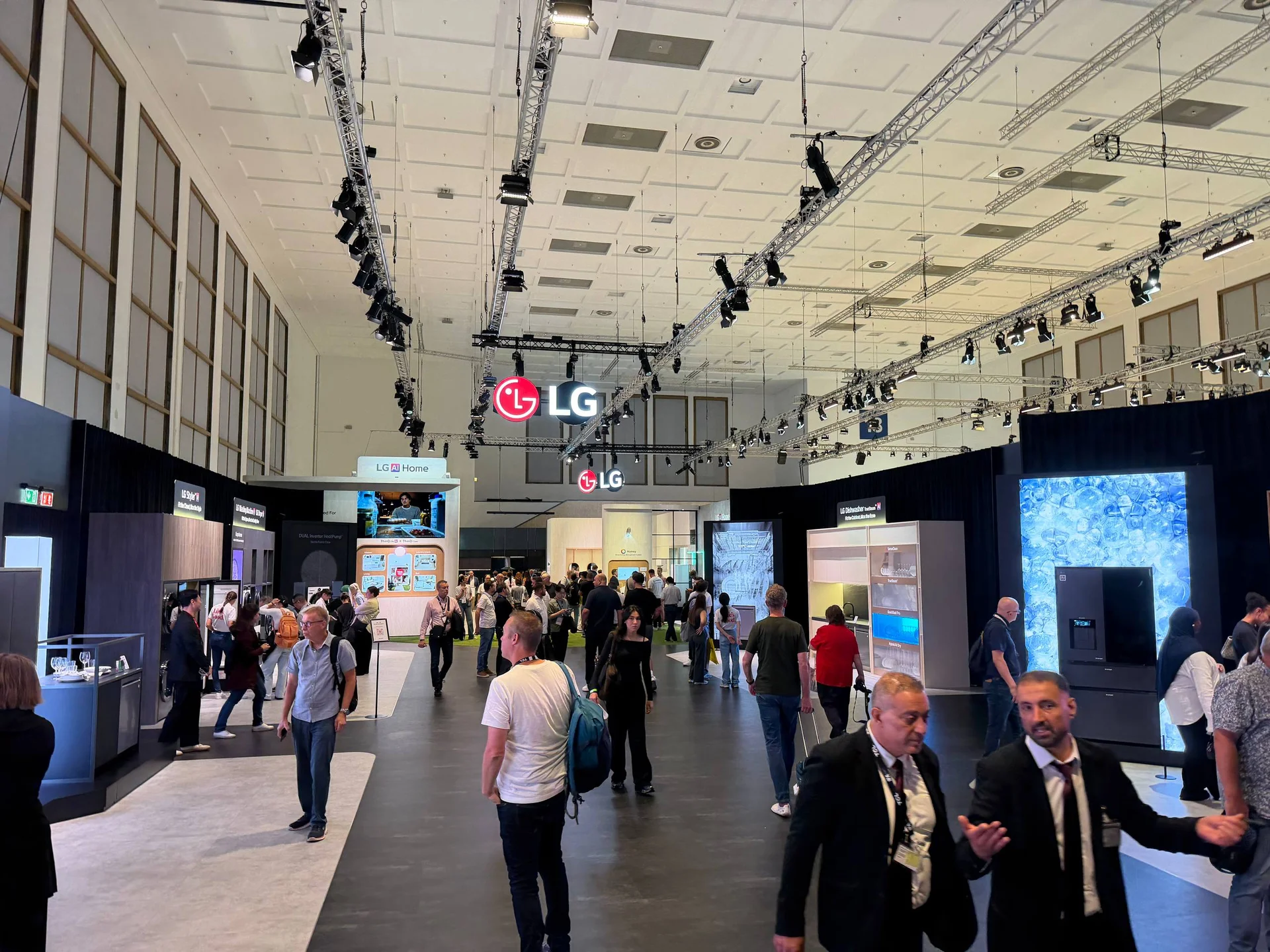
The ThinQ ON hub serves as the system’s connecting point, while ThinQ Claw operates as a text-based contextual AI agent. It helps users control appliances and create connected scenarios based on the status of other devices.
One of IFA’s main trends was particularly visible here. The smart home is gradually moving beyond isolated instructions such as “turn on the lights” or “switch on the air conditioning”. Manufacturers want the system to take into account the time of day, temperature, residents’ habits, and what is happening in other rooms.
LG’s display area included the ultra-thin LG OLED evo AI W6, True Wireless Wallpaper TV, Micro RGB televisions and the portable StanbyME 2 Max display. In its UltraGear gaming range, the company also presented a monitor with a native refresh rate of 1,000 Hz.
Home Appliances Learn to See and Use Robotic Arms
Beyond the large stage demonstrations, the same idea appeared in more familiar household appliances. Robot vacuum cleaners were learning to overcome obstacles, ovens to recognise dishes and dishwashers to identify the type of load inside.
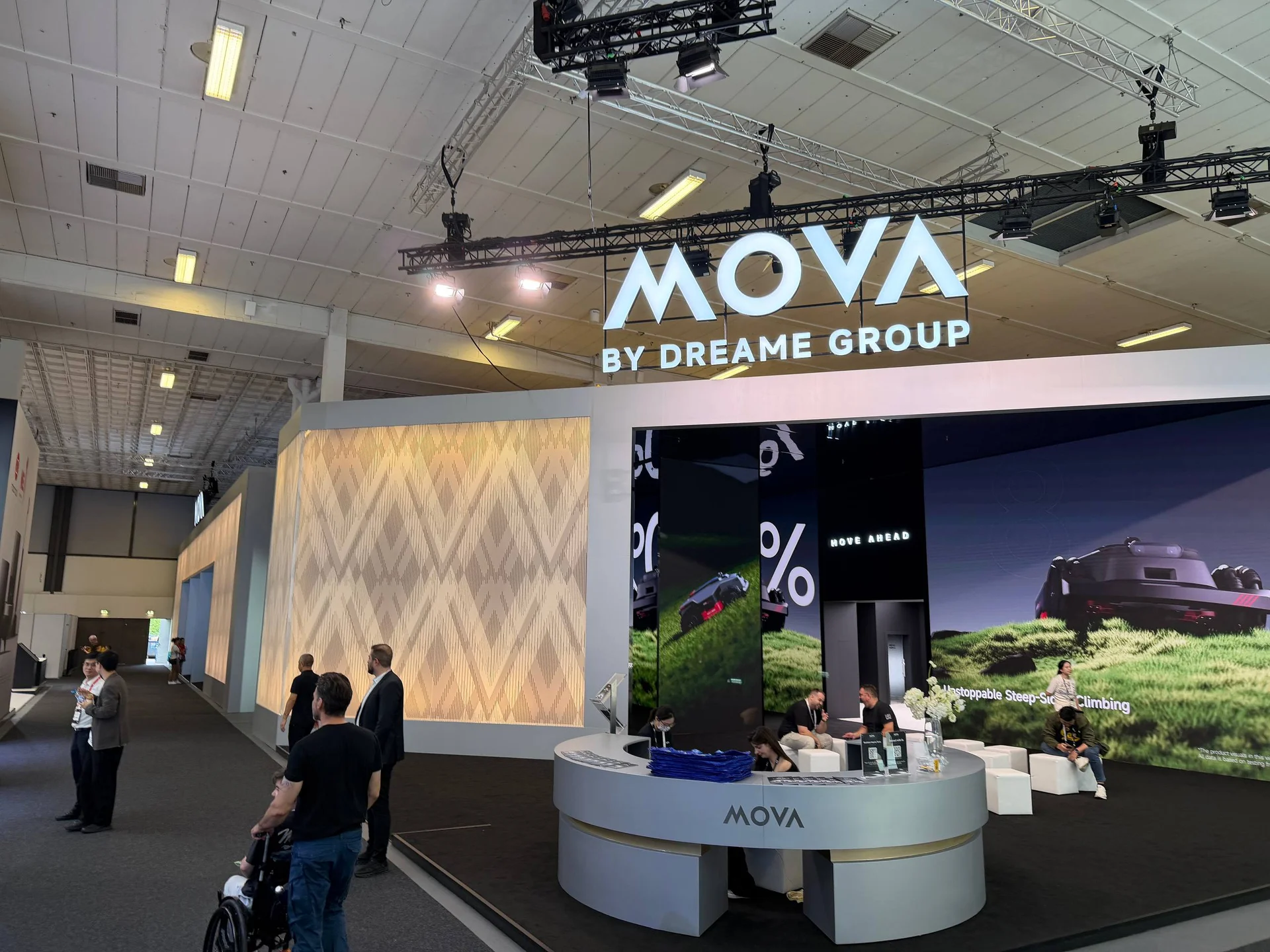
Dreame brought more than 100 products across 16 categories to IFA. The most unusual was Cyber X, a robot vacuum cleaner equipped with a stair-climbing system. It remains a technology demonstration, but it addresses one of the main limitations of domestic robots: their inability to move independently between floors.
The ECHO S1 and ECHO P1 research platforms pointed towards a longer-term direction for home robotics. Instead of moving only across the floor, such devices are being equipped with robotic arms that allow them to interact with surrounding objects.
Changes presented by traditional appliance manufacturers were less dramatic but closer to everyday use. According to Siemens, its new oven can automatically recognise more than 100 dishes and save favourite recipes. AEG is developing its OnePot concept, Bosch is connecting heat pumps to Smart Home thermostats, and the Miele G8 Diamond dishwasher recognises its load and adjusts the wash cycle accordingly.
The main shift is not the addition of another display or mobile application, but the transition towards appliances capable of recognising their contents and selecting the appropriate operating mode independently.
Televisions Become Brighter and More Accurate
The Hisense and TCL halls brought the exhibition back to one of its traditional foundations: large displays. Some models, however, resembled digital walls more than conventional household televisions.
At the centre of the Hisense stand was the 116-inch Hisense 116UXS. Its RGB MiniLED backlight uses an additional cyan LED that expands the colour gamut. The manufacturer claims coverage of up to 110% of the BT.2020 colour space and peak brightness of up to 10,000 nits.
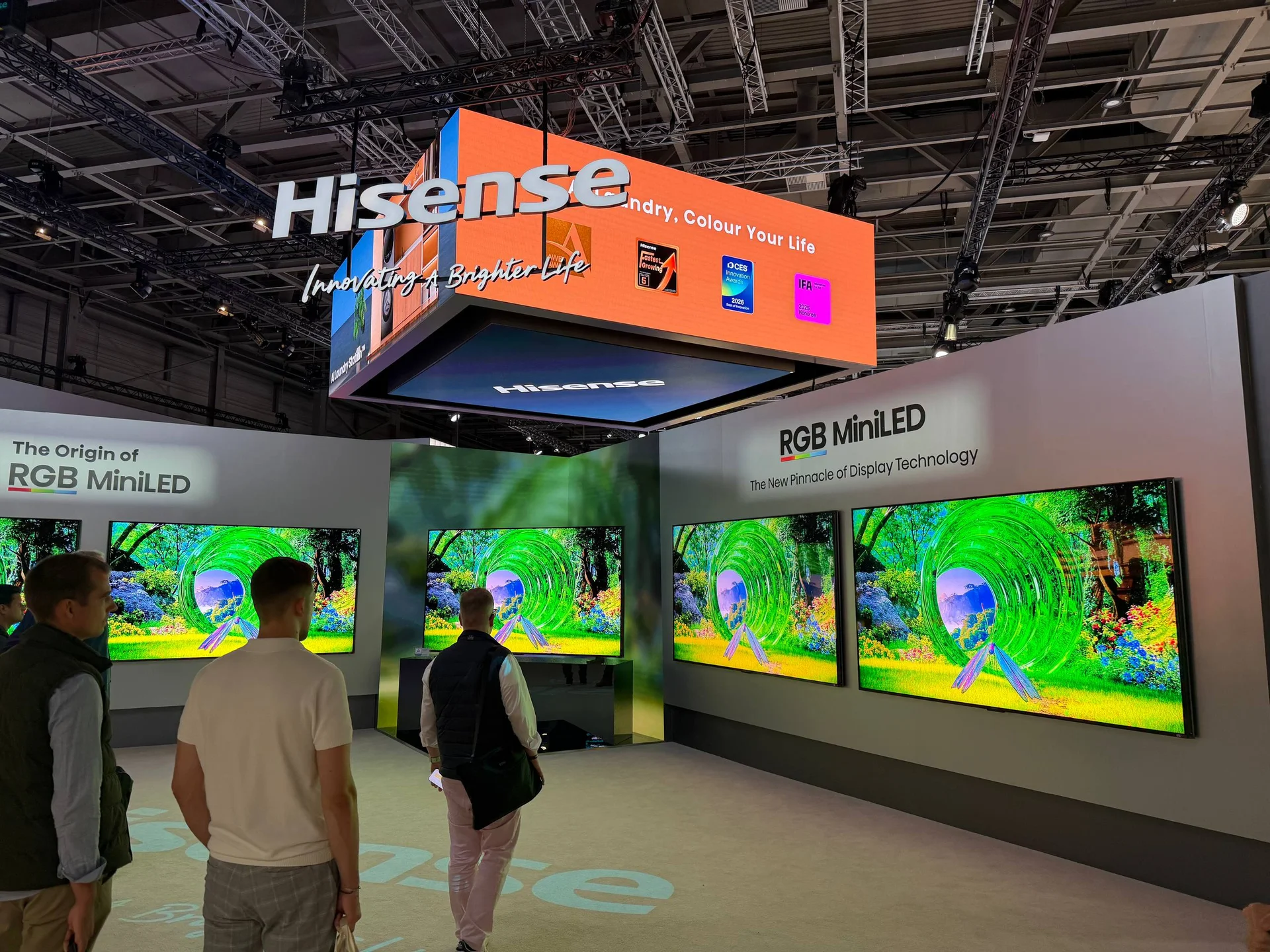
TCL also focused on large MiniLED televisions and gaming displays. Against the backdrop of robots and personal aircraft, these stands felt more familiar. Yet they clearly demonstrated the development of technologies already intended for the mass market: screen sizes continue to grow, while competition is shifting towards backlight performance, brightness and colour accuracy.
DJI Expands Beyond Drones
DJI’s exhibition area resembled a separate technology show within IFA. Cameras, robot vacuum cleaners, power systems and professional and agricultural drones all appeared under the same logo.
One of the central imaging launches was the DJI Osmo 360 II. The camera features a 1-inch square HDR sensor, 8K video recording at 60 frames per second, 105 GB of internal storage and replaceable protective lenses. DJI also presented the Osmo Pocket 4P and the Mic Mini 2S wireless microphone system.
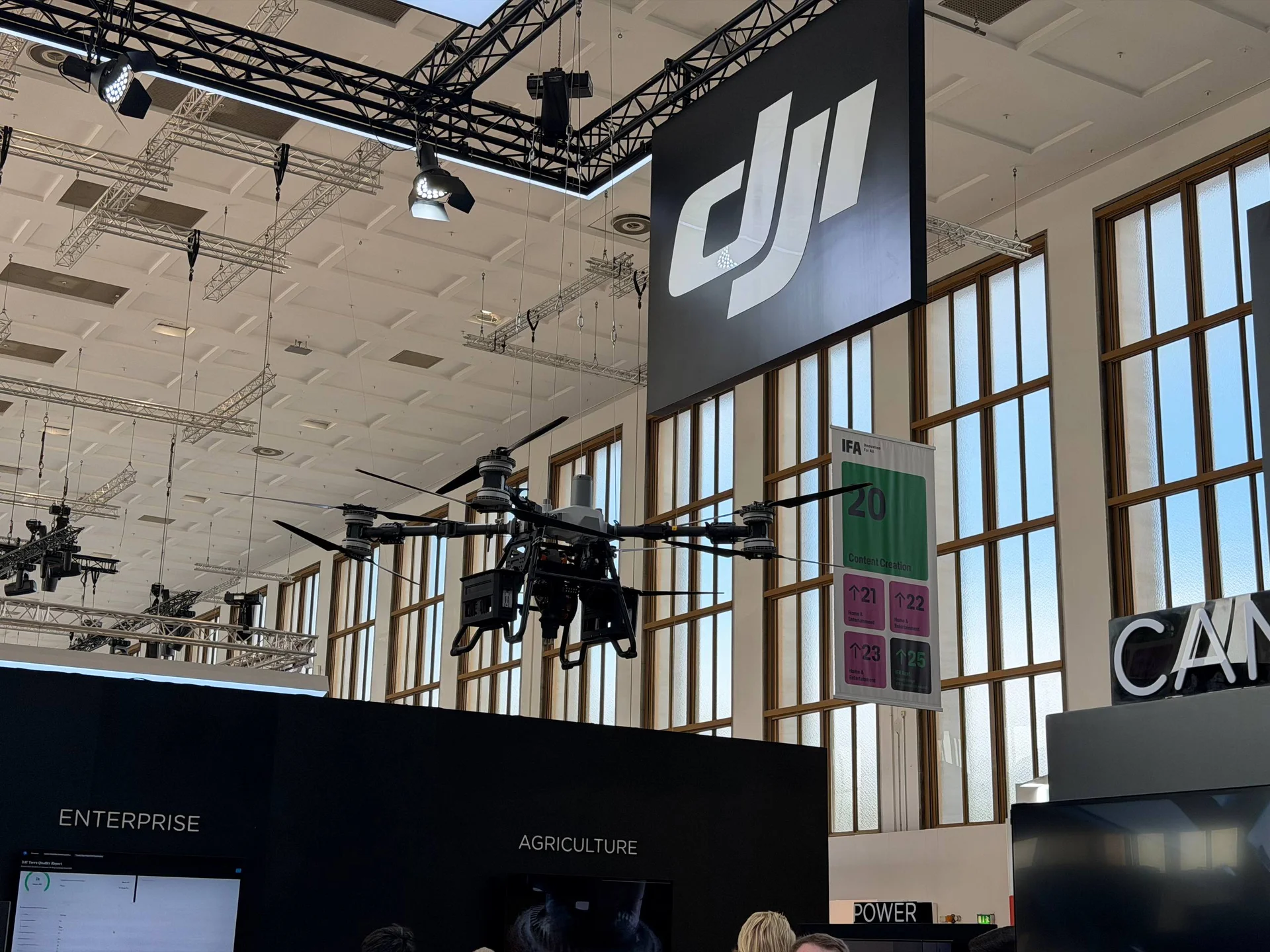
The ROMO 2 robot vacuum range formed the second major product category. Its flagship model, the ROMO P2, offers 36,000 Pa of suction power, LiDAR navigation and a robotic arm for reaching difficult areas. The model is already available to order through DJI’s official German online store.
Professional Matrice 4E, Matrice 4T and Mavic 3M drones were suspended overhead, while the agricultural Agras T100 and T70P were displayed nearby. DJI Power systems added another category to the exhibition: portable and residential energy solutions.
Cameras, Computers and the IFA Innovation Award Winners
Beyond the largest exhibition areas, the range of devices became even broader. Multi-lens security cameras appeared alongside ultra-light laptops, portable monitors and compact computers designed to run artificial intelligence locally.
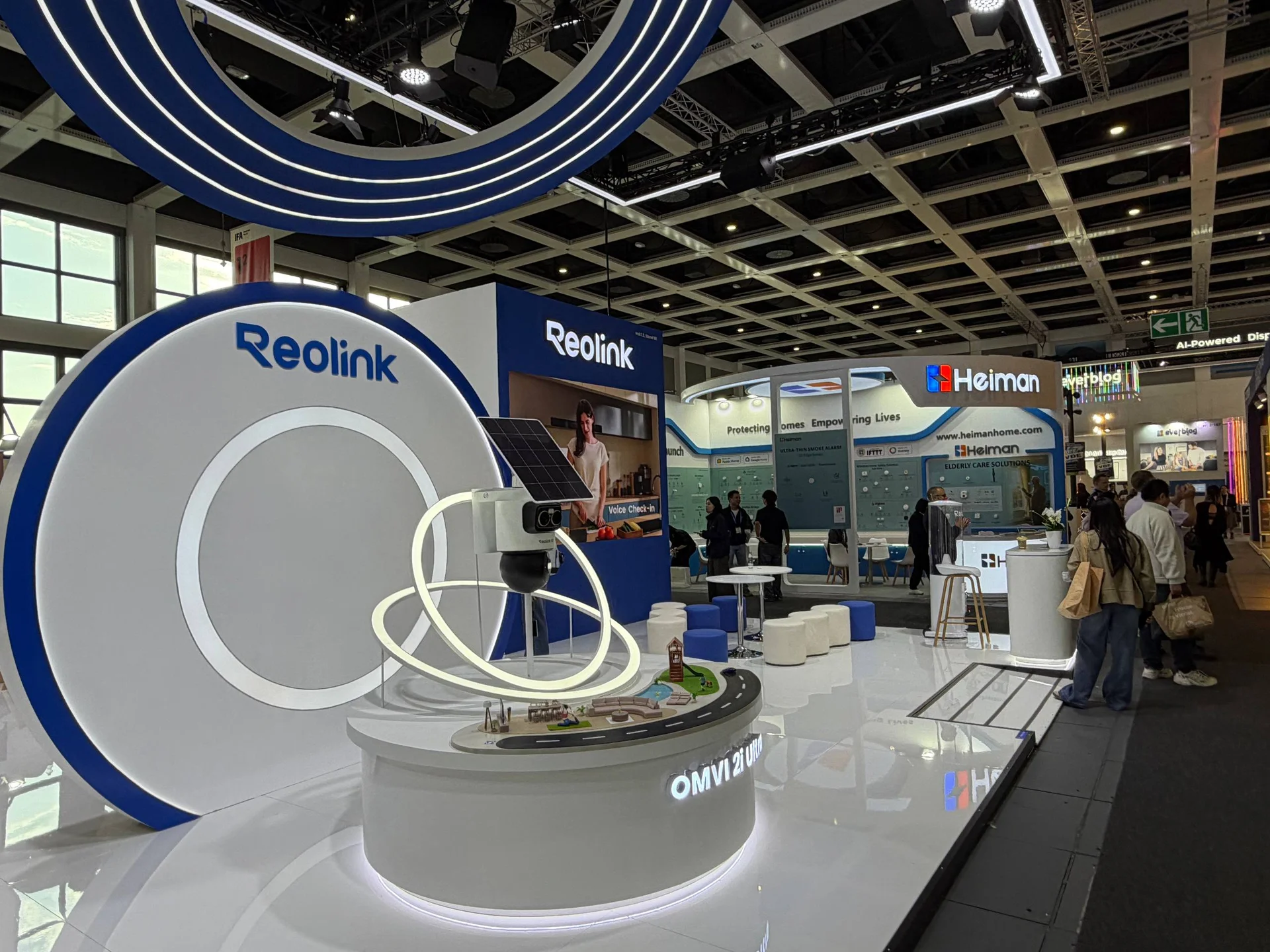
Reolink presented new multi-lens cameras and solutions that use local AI to analyse events. Acer brought the 799-gram Swift Blade 14 and the Acer Vero 16, and also showcased the compact SFF RTX Spark AI workstation.
Portable display manufacturers exhibited dual-screen, foldable and vertical monitors. These products make it possible to assemble an extended workspace in locations without a permanent office or a large desk.
A dedicated area of the exhibition was reserved for the IFA Innovation Awards. The three main awards went to LG, Anker and Insta360. LG won Best of Brand, the Anker RIC Hearing Aids Pro received Best of IFA, and the Insta360 Luna Ultra camera earned Best of Tech. The latter was also recognised in the Content Creation and Design categories.
Co-engineered with Leica, the Luna Ultra is a dual-lens 8K gimbal camera with three-axis stabilisation and a detachable display. At the Insta360 stand, visitors were also given an early look at the Luna Pro, which the company scheduled for a separate official launch after the exhibition.
IFA Next brought together approximately 300 exhibitors from 24 countries. This area contained fewer finished commercial products and more start-ups, research platforms and technologies that have yet to find their place in the mass market.
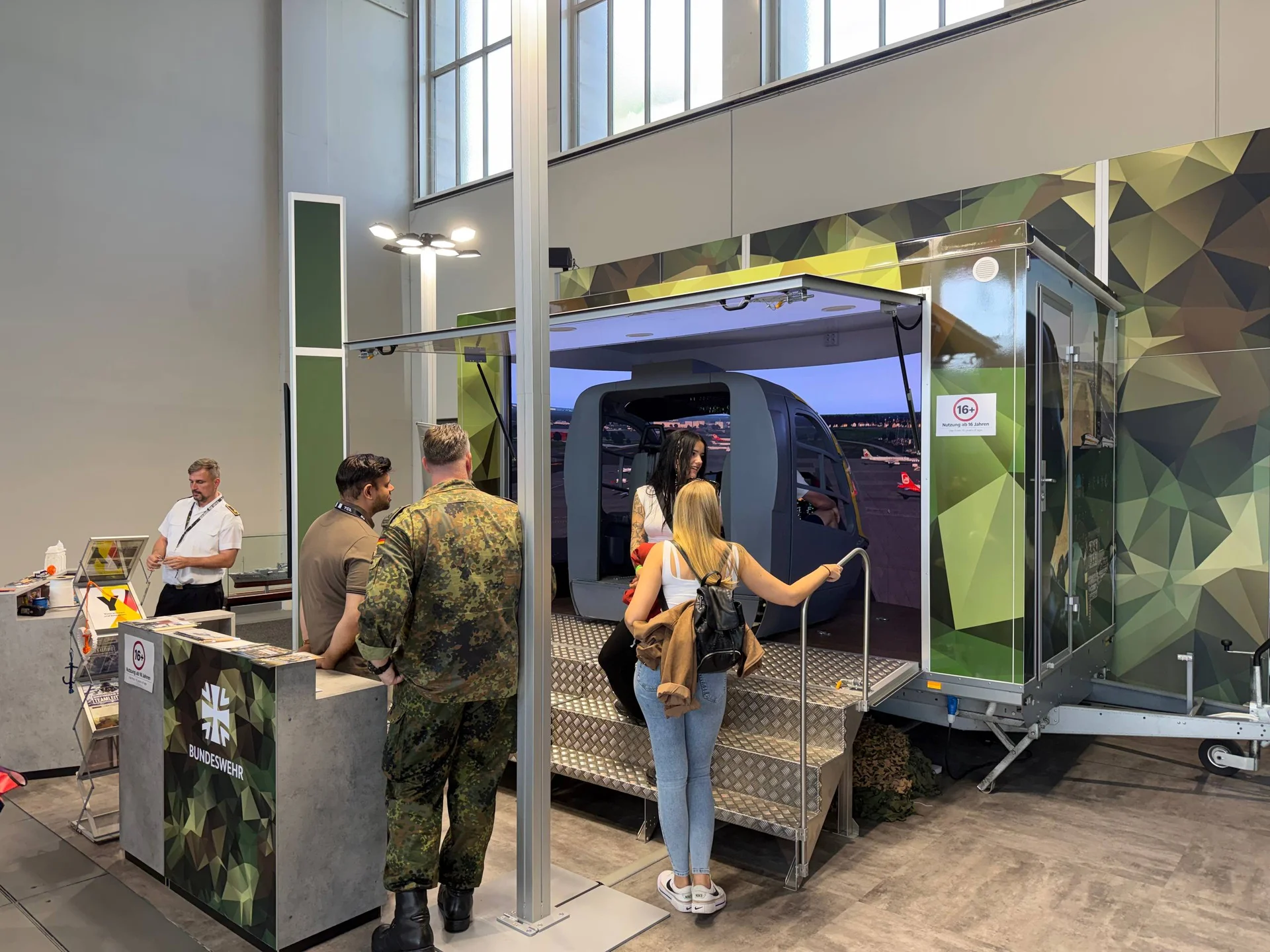
An unexpected addition to the technology-focused halls was the Bundeswehr stand, featuring a Dingo 2 armoured vehicle and interactive simulators. It served as a reminder that unmanned systems, sensors and robotics are developing simultaneously across civilian, industrial and defence sectors.
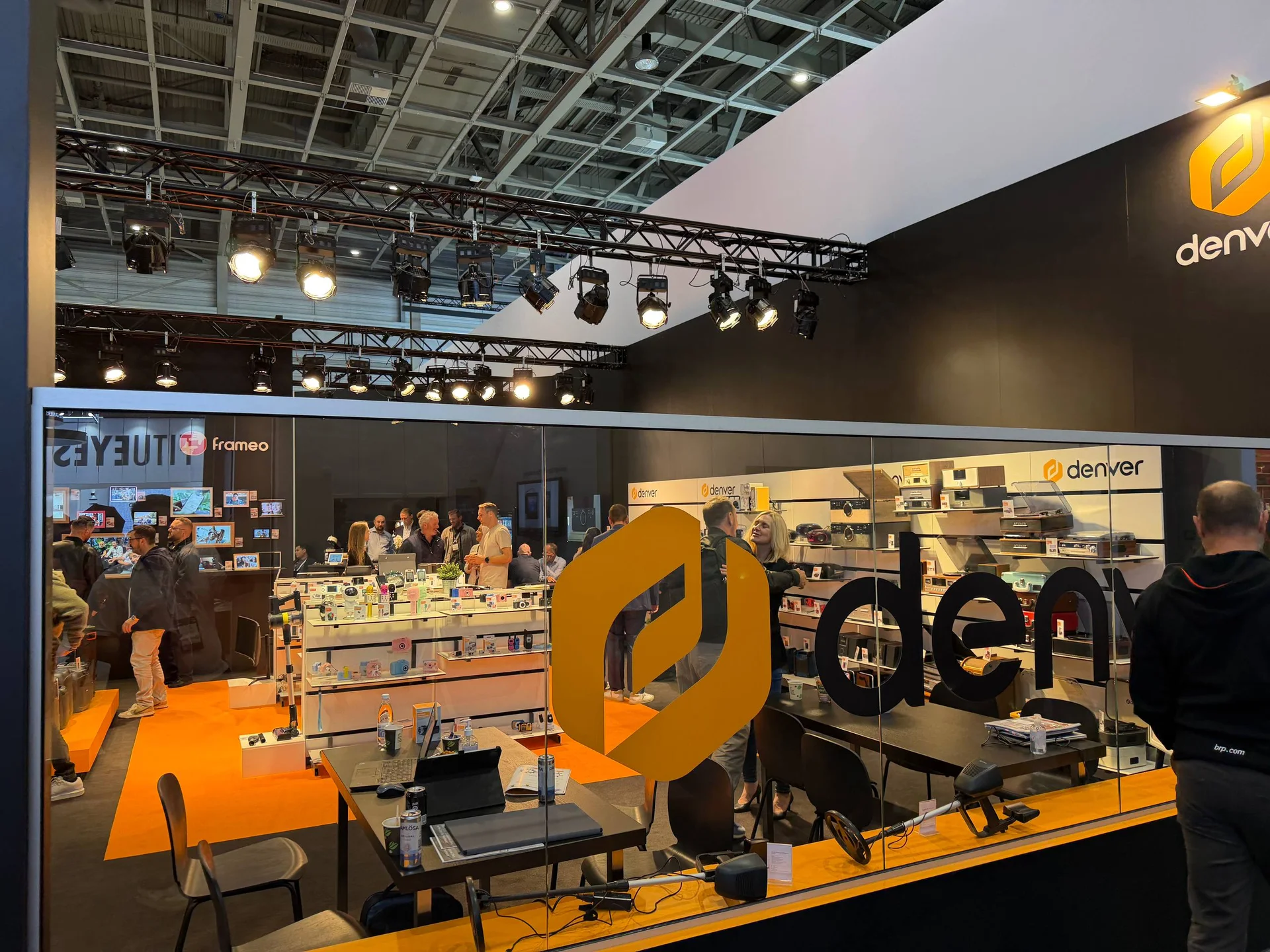
The Denver and Blaupunkt stands shifted attention back towards mass-market electronics, audio equipment and products intended not for the distant future but for the next retail season.
What IFA 2026 Revealed
After walking through several halls, it was impossible to reduce IFA to a single robot, vehicle or television. Different categories of technology are moving in the same direction.
Robots are gaining hands and learning to work with physical objects. Home appliances are beginning to recognise food, dishes and conditions inside the home. Cars are becoming part of digital ecosystems, while personal aircraft are gradually moving from presentation videos into real exhibition halls.
Not everything displayed in Berlin will reach the market soon. Some exhibits remain concepts or research platforms. Nevertheless, the overall direction is already clear: the next stage of technological development is not simply about automating individual operations. It is about enabling devices to perceive their surroundings, understand context and independently determine what to do next.
We left IFA not with the feeling that the future had already arrived, but with the realisation that many elements of it no longer seemed like science fiction.